Pink Harmony: A Color Font for Unforgettable Designs
Have you ever scrolled past a design that was technically perfect but utterly forgettable? In a world saturated with content, the challenge isn't just creating something clean; it's creating something that sticks. We often reach for the same handful of sans serif or serif fonts, playing it safe. But what if your typography could do more than just present words? What if it could carry mood, energy, and color in every single letter? This is the promise of Pink Harmony, a meticulously crafted color font designed to inject immediate personality and visual intrigue into your projects.
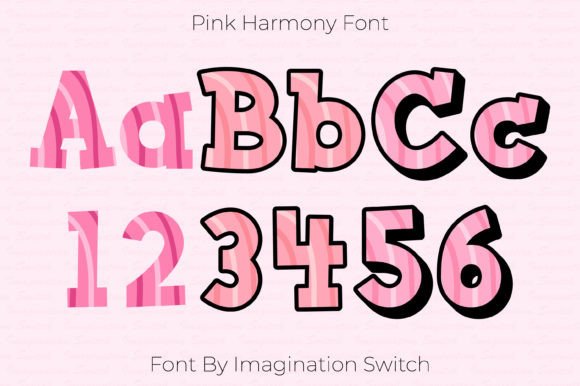
Pink Harmony isn't just another typeface. It’s a complete character set—from uppercase and lowercase letters to numbers and punctuation—where each glyph has been individually designed with a specific, captivating color palette. Think of it as modern typography that has already been "dressed" for the occasion. The colors aren't random; they're carefully chosen to create a harmonious, mesmerizing effect that makes words and numbers pop off the page or screen. The result is a creative font that feels both playful and polished, offering a unique visual touch that standard monochrome fonts simply cannot provide.
Where This Creative Font Truly Shines
Understanding where to deploy a display font like Pink Harmony is key to leveraging its strengths. It’s not a workhorse for body copy in a novel, but it’s an exceptional tool for grabbing attention and setting a tone. Its versatility is surprising, fitting seamlessly into both personal passion projects and professional commercial work.
For brand identity and logo design, Pink Harmony can be a game-changer. Imagine a boutique bakery, a lifestyle blog, or a children's brand using it for their wordmark. The built-in color and style instantly communicate a sense of creativity, approachability, and fun, helping the brand stand out in a crowded market. It becomes a core part of the brand's visual language, ensuring recognition and consistency across all touchpoints.
In marketing and advertising, this font excels at creating stop-scrolling moments. Use it for headlines on social media graphics, eye-catching call-to-action buttons, or the title of a promotional flyer. Its visual appeal is perfect for event invitations, sale announcements, and product packaging design where shelf appeal is paramount. For publishers and content creators, it can elevate the cover of a digital magazine, the title of a blog post, or the header of an email newsletter, making the content feel more premium and curated from the first glance.
Don't overlook its power in personal and craft projects. From custom party invitations and scrapbook layouts to printable wall art and greeting cards, Pink Harmony adds a professional, polished look that elevates the entire project. It’s a design asset that allows hobbyists to achieve results that look like they came from a professional studio.
Practical Guidance for Using a Premium Font Effectively
Adopting a specialty font requires a bit more consideration than picking Helvetica. Here’s how to evaluate and use Pink Harmony to its fullest potential while maintaining professionalism and readability.
Test Font Pairings Thoughtfully. Pink Harmony is a star performer, so it needs a supporting cast. It pairs beautifully with clean, neutral fonts that don't compete for attention. Consider using it with a simple sans serif font for body text or a classic serif font for a more editorial feel. The key is contrast: let Pink Harmony handle the headlines and impactful statements, while your paired typeface ensures the rest of your content remains highly legible.
Evaluate Readability in Context. While the font is designed for excellent legibility, always test it at the size and on the background you plan to use. Its colorful nature makes it ideal for larger display sizes—think website headers, poster titles, or packaging logos. For very small text, a more traditional font will always be clearer. Conduct a quick "squint test": if you can still discern the shapes of the letters from a distance, you're on the right track.
Understand the Licensing. As a premium font, Pink Harmony comes with specific licensing terms. Before using it in a client project or for commercial sale (like on merchandise), ensure you have the correct license. Most fonts for designers offer different tiers for personal, commercial, or extended use. Respecting these terms is a fundamental part of professional practice and protects both you and the font's creator.
Explore the Full Character Set. Take time to browse the entire font family. Does it include alternate characters, ligatures, or additional styles? Knowing what's available allows you to add more nuanced typographic flair to your designs, ensuring consistency and uniqueness across a larger project like a brand identity system.
Ultimately, a font like Pink Harmony is more than just a design asset; it's a creative partner. It offers a direct way to infuse energy, emotion, and a distinct point of view into your visual communication. By using it strategically and thoughtfully, you can craft designs that are not only beautiful but also deeply engaging and truly unforgettable.