Italy: A Playful Script for Modern Designers
In the search for a typeface that balances personality with professionalism, many designers hit a wall. You need something that feels authentic and inviting, but also polished enough for a client project. This is where a font like Italy enters the conversation. It’s not just a collection of letters; it’s a specific voice, a creative asset designed to inject warmth and artistic flair into your work. For anyone building a brand, designing marketing materials, or creating personal projects, understanding what a font like this offers is the first step to using it effectively.
Understanding Italy's Visual Character and Appeal
At its core, Italy is a premium font that walks the line between a script font and a handwritten font. Its visual characteristics are defined by fluid, connected strokes that mimic natural handwriting. The letterforms often have a slight bounce and varying baseline, which prevents them from looking rigid or mechanical. This inherent irregularity is its strength—it conveys a human touch. The overall style is modern and approachable, avoiding the overly formal or calligraphic look of traditional scripts. This makes it a versatile display font, perfect for headlines, logos, and short bursts of text where you want to make an immediate emotional connection.
The personality of the Italy typeface is decidedly playful, artistic, and friendly. It doesn’t shout; it invites. This makes it an excellent choice for projects targeting audiences that appreciate creativity and authenticity. Think of it as the typographic equivalent of a warm smile or a handwritten note. Its appeal lies in its ability to feel personal and bespoke, even when used in commercial applications. For designers and entrepreneurs, this font becomes a tool to humanize a brand, making it more relatable and memorable in a crowded marketplace.
Where to Put Italy to Work: Practical Applications
The true value of a creative font like Italy is revealed in its application. Its strengths shine in projects where emotion and personality are paramount. In brand identity, it’s a natural fit for logos, business cards, and packaging for businesses like bakeries, boutique shops, wedding planners, or artisanal product lines. It helps establish a brand voice that is welcoming and handcrafted.
For editorial design and publishing, Italy can be used for chapter titles, pull quotes, or cover text for books in genres like romance, lifestyle, or children’s literature. Its whimsical nature aligns perfectly with the engaging reading experience required for younger audiences, though its sophistication makes it suitable for adult readers as well. In marketing and social media, this font is a powerhouse. It can create eye-catching headlines for Instagram posts, Pinterest graphics, or email headers. Its legibility at larger sizes makes it ideal for social media graphics where you need to stop the scroll.
Don’t overlook its potential in web design and packaging design. Used sparingly for key phrases or calls-to-action, it can add a focal point of warmth to an otherwise clean layout. On product labels, it communicates care and quality. The key is to use Italy strategically, leveraging its personality for maximum impact without sacrificing the clarity of your message.
Strategic Pairings and Professional Considerations
A font rarely works in isolation. Pairing Italy effectively is crucial for creating balanced and professional design assets. Because it is a highly expressive display font, it demands a stable partner. The classic rule of contrast applies: pair it with a clean, neutral sans serif font for body text. Fonts like Open Sans, Lato, or Montserrat provide excellent readability and allow Italy to be the star of the show. For a more traditional or elegant feel, a simple serif font like Lora or Playfair Display can create a beautiful hierarchy. The goal is to ensure your font pairing enhances, rather than competes with, the overall design.
Before you commit, always test the font in the context of your project. Check its readability at the intended size, especially for shorter headlines. Review the included styles; does it offer alternate characters or ligatures that could enhance your design? Understanding the full scope of what you’re working with is part of professional practice.
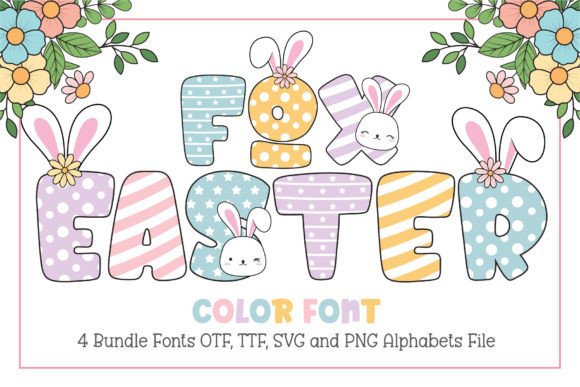
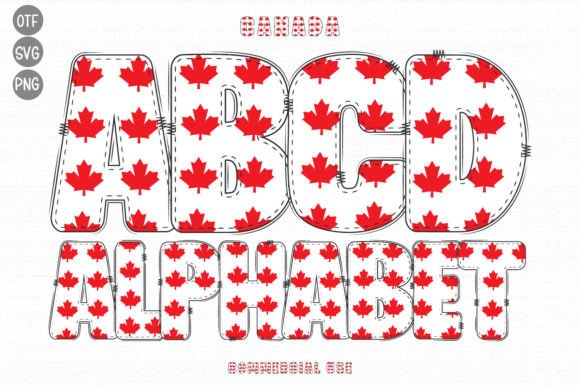
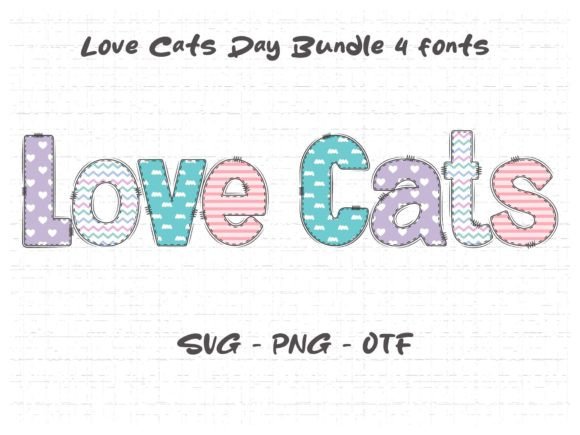
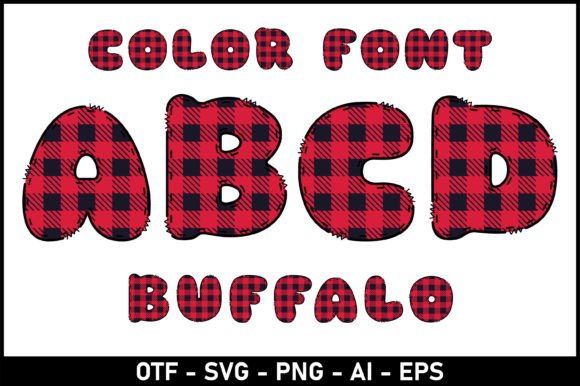
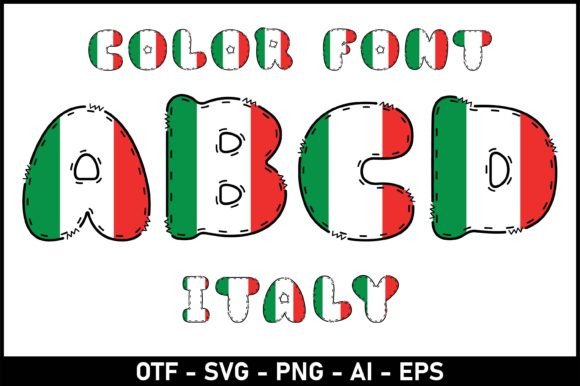
Finally, a critical note on compatibility and licensing. As with any commercial font, you must verify that its license covers your intended use, whether for a personal blog or a client’s product line. The Italy font family comes with important technical details. The black version is compatible with cutting machines like Cricut Design Space, making it a fantastic tool for crafters and hobbyists creating physical products like decals, cards, and invitations. However, the color version has specific software requirements, working in programs like Adobe Photoshop and Illustrator but not in Cricut. Always consult the provided font guide to ensure a smooth workflow and avoid technical roadblocks.