Buffalo: A Playful Script for Creative Projects
More Than Just Letters: The Personality of Buffalo
When you first encounter the Buffalo font, it doesn't feel like a standard typeface. It feels like a piece of hand-drawn art. This script font carries a distinct, organic energy that immediately sets it apart from the rigid, geometric sans serif fonts we see everywhere. It’s a premium font that leans heavily into the handwritten font style, featuring flowing, slightly irregular strokes that mimic the natural movement of a brush or pen. The visual character is defined by its artistic flair—it’s bold, expressive, and unapologetically creative.
The appeal of Buffalo lies in its ability to communicate warmth and authenticity. In a digital landscape often dominated by sterile, corporate aesthetics, this creative font offers a human touch. It doesn't just display text; it conveys a mood. The letterforms have a casual elegance, making them ideal for designs that need to feel personal rather than manufactured. Whether you are working on logo design or a simple social media post, Buffalo injects a dose of personality that can be hard to achieve with more conventional modern typography.
Finding the Perfect Home for Buffalo
Understanding where a font shines is just as important as how it looks. Buffalo is not a serif font meant for long blocks of body text in a novel, nor is it a rigid sans serif font for corporate reports. Its strengths lie in display contexts. This typeface is a powerhouse for editorial design, particularly in magazine headers or pull quotes where you want to grab the reader's attention instantly. It works exceptionally well in packaging design, especially for artisanal goods, boutique products, or anything targeting a younger, trend-conscious demographic.
For entrepreneurs and small business owners, Buffalo is a versatile design asset. Consider how effectively it functions in the following scenarios:
- Children’s Books and Education: As noted, the whimsical nature of Buffalo makes it a strong candidate for titles or headings in children's literature. It feels playful and approachable, engaging young readers without looking childish to the parents buying the book.
- Invitations and Stationery: From wedding invitations to birthday party cards, the font mimics the look of high-end calligraphy or hand-lettering, adding a layer of sophistication to personal correspondence.
- Branding and Identity: If your brand identity relies on creativity, artistry, or a personal touch—think bakeries, florists, clothing boutiques, or lifestyle blogs—Buffalo can serve as a cornerstone of your visual language.
- Social Media Graphics: In the fast-scrolling world of Instagram or Pinterest, a display font like Buffalo stops the thumb. It is excellent for quotes, announcements, and sale graphics that need to feel energetic.
The Technical Reality: Compatibility and Usage
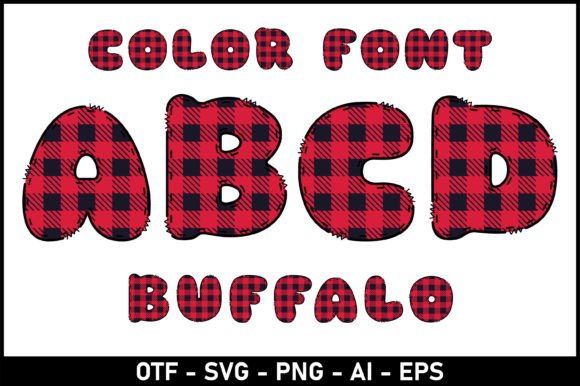
While the aesthetic appeal of Buffalo is obvious, practical application requires a closer look at technical specifications, particularly for those using cutting machines or specific design software. One of the most critical distinctions to understand is the difference between the standard black version and the color version of the font.
The black version of this typeface is fully compatible with standard vector-based workflows. If you are a crafter or hobbyist using Cricut Design Space, Silhouette Studio, or other cutting machine software, the standard OTF and TTF files will work seamlessly. This allows you to cut vinyl decals, heat transfers for apparel, and paper crafts with the same artistic flair found in the digital design.
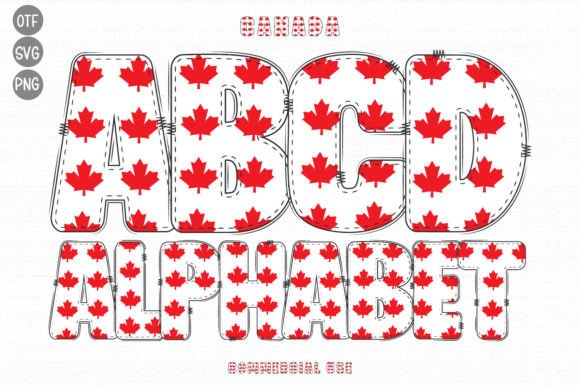
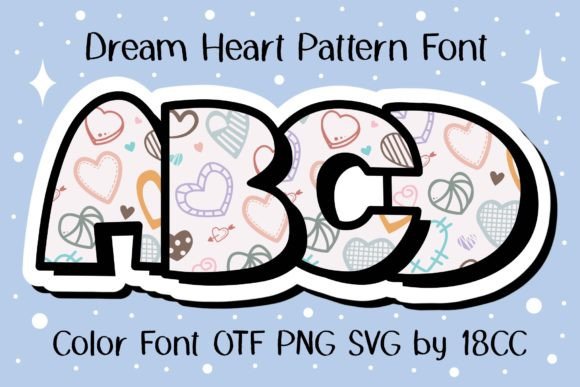
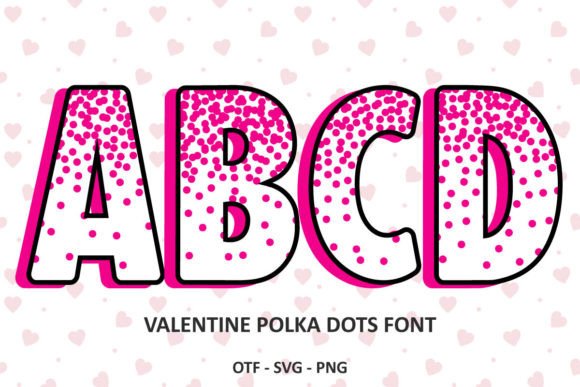
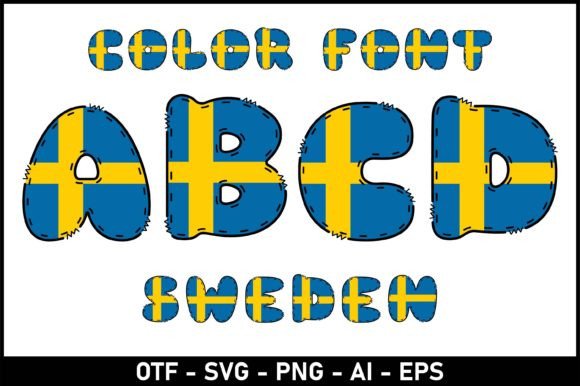
However, the color version of the font introduces a different set of rules. This version utilizes multi-layered glyphs or SVG technology to apply texture, gradients, or patterns directly within the letterforms. Because of this complexity, the color files are not compatible with Cricut Design Space. Instead, they are designed for professional web design and graphic design software that supports these advanced features, such as Adobe Photoshop, Adobe Illustrator, Silhouette Studio Designer Edition, and Inkscape.
Evaluating Project Fit and Pairings
Integrating a script font like Buffalo into a layout requires a strategic approach to font pairing. Because Buffalo is visually heavy and stylistic, it demands a counterbalance. Pairing it with another decorative font will almost always result in visual chaos. Instead, look for a clean, neutral companion.
A geometric sans serif font often pairs best with Buffalo. The clean lines of a sans serif provide the necessary "breathing room" for the eye, allowing the script font to act as the star of the show without overwhelming the viewer. For example, use Buffalo for the main headline and a simple sans serif for sub-headers and body copy. This contrast establishes a clear visual hierarchy, guiding the reader from the most expressive element to the informative details.
Licensing and Professional Application
For designers and business owners, the shift from personal to commercial use is a vital checkpoint. Buffalo is a commercial font, meaning you are purchasing the rights to use it in projects that generate revenue. This includes client work, merchandise, and digital products sold online. Always review the specific license included with your purchase to ensure compliance, particularly if you are embedding the font in apps or large-scale distribution projects.
Ultimately, choosing Buffalo is about choosing to communicate with energy and authenticity. It is a tool for creators who want their work to feel handmade yet professional, bridging the gap between artistic expression and commercial viability. By respecting its technical limitations—specifically regarding the color version—and pairing it wisely, you can leverage this typeface to elevate your next design project significantly.