Happy New Year: A Font That Feels Like a Celebration
There’s a particular kind of energy that comes with a project meant for children, a classroom, or a playful brand. It’s bright, optimistic, and a little bit chaotic in the best way. Finding a typeface that captures that specific vibe—a blend of authenticity and pure fun—can be the difference between a design that feels flat and one that truly connects. This is where the Happy New Year display font comes in. It’s not just a collection of letters; it’s a design asset built to inject personality and warmth into any project that needs a dose of cheerfulness.
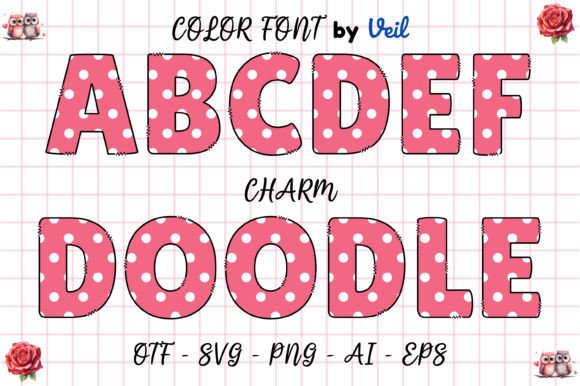
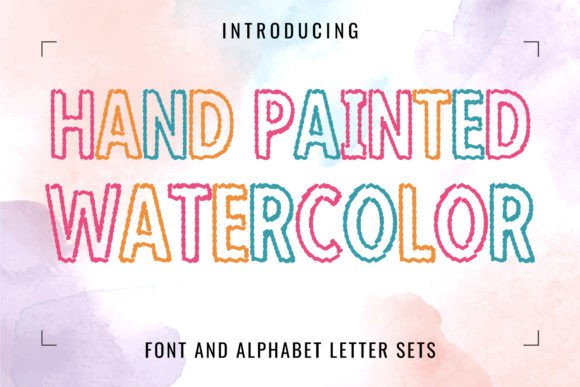
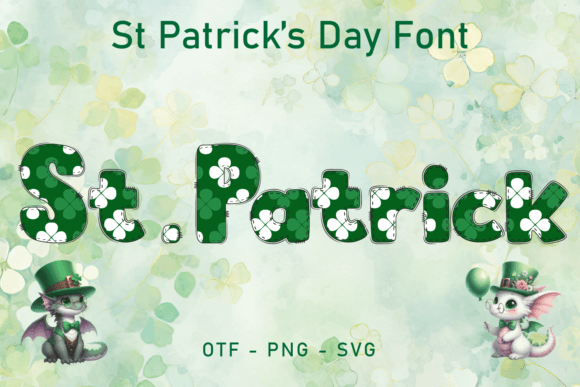
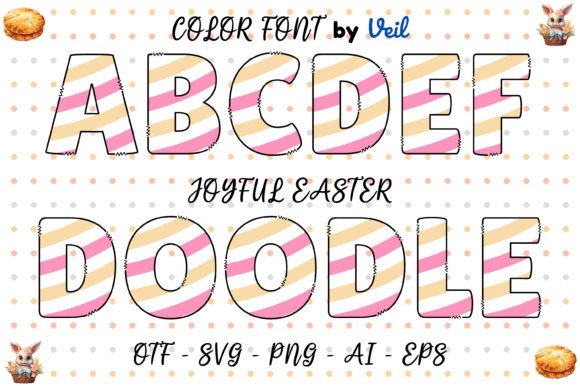
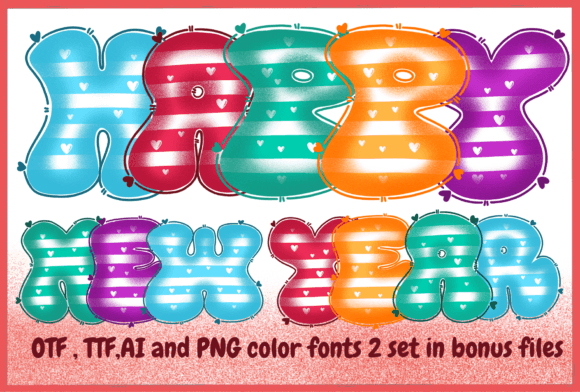
At its core, Happy New Year is a creative font with a chunky, rounded letterform structure. Its visual personality is immediately apparent: the strokes are thick and confident, yet the overall shape feels soft and approachable. There’s a subtle, handcrafted imperfection to it, which is key to its charm. It avoids the sterile, overly geometric look of some modern typefaces, instead embracing a more organic, friendly aesthetic. This makes it a standout display font, perfect for headlines, titles, and any text that needs to grab attention without feeling aggressive. Its appeal lies in this duality—it’s bold enough to be seen, but gentle enough to be welcoming.
Where Playfulness Meets Purpose: Ideal Applications
Understanding where a font like Happy New Year shines is about matching its personality to the project’s goals. It’s a specialized tool in your design assets kit, and using it strategically will yield the best results.
In the realm of brand identity, this typeface is a natural fit for businesses and products targeting families, education, or the children's market. Think toy store logos, kids' clothing brand headers, or the masthead for a parenting blog. Its inherent warmth can make a brand feel more accessible and trustworthy to its audience. For logo design, it works exceptionally well for logotypes (the company name rendered in the font itself) rather than abstract symbols, as the letterforms carry so much character.
When it comes to packaging design, especially for products like cereals, snacks, toys, or craft supplies, Happy New Year can make shelf presence pop. The chunky letters maintain their integrity at various sizes, ensuring readability on a box or label from a distance. For editorial design, consider it for chapter titles in a children’s book, section headers in a family-oriented magazine, or the cover of a school yearbook. It sets a joyful tone immediately.
Digital applications are equally robust. It’s an excellent choice for social media graphics—think eye-catching Instagram story headers, YouTube thumbnails for family vloggers, or Facebook event graphics for community gatherings. In web design, it can be used for hero text on a homepage for a daycare center, a summer camp, or a creative workshop, instantly communicating the site’s playful spirit. For personal projects, it’s perfect for scrapbooking, birthday party invitations, and school project presentations.
Beyond Aesthetics: Readability, Hierarchy, and Pairing
A beautiful font still needs to function within a design system. Using Happy New Year effectively involves considering its technical and compositional roles.
As a display font, its primary job is to create a strong visual hierarchy. Use it for your main headline or a key call-to-action. Its bold weight naturally draws the eye, establishing a clear focal point. However, because of its distinctive personality, setting entire paragraphs in Happy New Year would quickly become tiring and hurt readability. Its strength is in measured, impactful doses.
This leads to the critical practice of font pairing. A font with this much character needs a quieter partner for body copy. The ideal companion is a clean, neutral sans serif font or a highly legible serif font. The contrast creates balance: the display font provides the emotion and flair, while the body font delivers information clearly. For example, pairing Happy New Year with a simple sans serif like Open Sans or Lato for body text creates a harmonious and professional layout that doesn’t overwhelm the reader.
Making the Right Choice: Practical Considerations
Before integrating Happy New Year into your workflow, a few practical checks ensure it’s the right tool for the job. First, evaluate project fit. Does the brand or project’s tone align with playful, authentic, and colorful? If the context is corporate finance or minimalist luxury, this font will likely feel out of place. But for a daycare, a children’s author, or a party planning service, it’s a perfect match.
Next, always test the font with your actual content. Download a trial if available, or use a preview tool to see how your specific headlines and words look. Pay attention to the spacing (kerning) between certain letter pairs—while most premium font packages have excellent built-in metrics, it’s wise to check. Review what’s included in the license. Does it come with alternate characters, ligatures, or multiple weights? Knowing this expands its utility.
Finally, verify the commercial font licensing. Ensure the license covers your intended use, whether it’s for a client’s logo, printed merchandise, or a digital product you plan to sell. Most reputable font foundries offer clear licensing tiers (desktop, web, app, etc.), and adhering to these terms is a fundamental part of professional practice.
In the vast landscape of modern typography, choosing a font is a strategic decision. Happy New Year isn’t a universal solution, but for the right project, it’s a powerful one. It offers more than just a set of letters; it offers a feeling—a burst of optimism and approachability that can make your designs not just seen, but genuinely felt. By applying it thoughtfully, you can elevate a project from simply functional to memorably engaging.