St Patrick’s Day: A Font That Dances with Irish Festivity
There’s an unmistakable energy to St. Patrick’s Day. It’s a celebration that spills beyond the pubs and parades into our visual landscape—a riot of emerald green, glinting gold, and playful shamrocks. Capturing that specific, joyful chaos in a design project can be a challenge. A standard serif font or clean sans serif font often falls flat, lacking the personality needed to convey the occasion's spirit. This is where a thematic, creative font like the St. Patrick’s Day font enters the scene, offering a direct injection of festive charm.
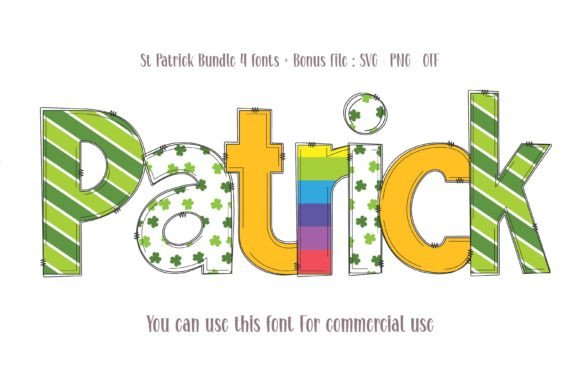
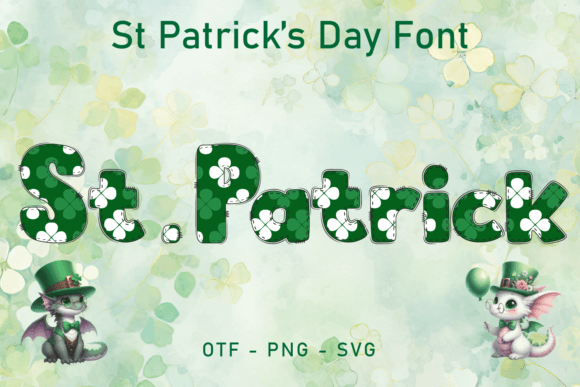
This particular typeface isn't just green. It’s a lively, decorative display font where lucky clovers seem to dance within the letterforms themselves, set against a vibrant background. It’s designed for impact, not for body text. Think of it as the enthusiastic host of your typographic hierarchy—the one that grabs attention and sets the tone instantly, leaving the more subdued details to supporting font pairings.
Where This Festive Font Truly Shines
The real value of a thematic asset like this lies in knowing its proper stage. As a premium font built for celebration, it excels in projects where a quick, unmistakable connection to the holiday is the goal. Its strengths are in short-form, high-visibility applications.
For event invitations—whether for a neighborhood gathering, a bar’s live music night, or a corporate St. Patrick’s Day mixer—the font’s headline is the first handshake. It immediately communicates the theme without a single word of description. In social media graphics, where scrolling speed is relentless, its unique texture and color (in compatible programs) can stop the thumb. A post promoting a “Lucky Sale” or a “Green Beer Special” gains instant recognition and personality.
For small business owners and entrepreneurs, it can be a seasonal tool for packaging design or point-of-sale materials. Imagine a baker’s window sign for themed cupcakes or a brewery’s limited-edition can label. In these contexts, the font contributes directly to a brand identity that feels timely and engaged with its community. Similarly, content creators and bloggers can use it for YouTube thumbnails, podcast cover art, or digital download covers to signal a holiday-themed episode or resource.
Beyond the Hype: Practical Considerations for Designers
While the font’s personality is its main draw, a professional approach requires looking at its technical and practical details. Choosing this font means evaluating project fit beyond just the “fun factor.”
- Readability & Visual Hierarchy: As a highly decorative display font, legibility at small sizes or in long paragraphs is compromised. Its role is singular: to be the headline, the logo mark, the hero text. Pair it with a clean, neutral sans serif font for subheadings and body copy to create balance and ensure your message is still easy to read.
- Compatibility & File Formats: This is critical. The black version is compatible with Cricut Design Space and other cutting machines, making it perfect for crafters and hobbyists creating physical decorations or apparel. However, the color version—the one with the integrated green clovers—is only compatible with advanced design software like Adobe Photoshop, Illustrator, Silhouette Studio, and Inkscape. Always check the Ultimate Font Guide for specifics before purchasing to ensure it works with your toolkit.
- Licensing for Commercial Use: If you’re using this for a client project, merchandise for sale, or marketing materials that drive revenue, you must verify the commercial font license. Most premium font licenses cover this, but it’s your responsibility to confirm. This protects both you and your client.
When integrating it into a larger brand identity, think of it as a seasonal accent, not the core brand font. Use it consistently across all St. Patrick’s Day campaigns year after year to build recognition for your holiday messaging, but keep it separate from your everyday typographic system.
Making It Work: From Concept to Final Design
So, how do you actually implement this creative font effectively? Start by defining its exact purpose in your layout. Is it for the main event title? A special offer badge? A logo for a pop-up shop?
Test font pairings early. Place a line of the St. Patrick’s Day font next to potential candidates for your body text. Does the contrast feel intentional? The goal is harmony through hierarchy, not conflict. A simple script font or a geometric sans serif font often provides a pleasing counterbalance to the font’s ornate, playful characters.
Explore the included styles. Does the font family come with alternates, swashes, or a set of dingbats (like standalone clovers or pots of gold)? These design assets can add tremendous value, allowing you to create custom flourishes or integrate thematic elements into other parts of your design beyond the typography itself.
Finally, consider the output medium. For digital projects, the color font’s vibrancy is a major asset. For print, especially on non-standard materials, you may need to use the black version and apply color manually through your design software to ensure print accuracy. For physical crafts with a cutting machine, the black vector version is your only and perfect option.
In the end, a font like this is a specialized tool. It doesn’t solve every design problem, but for the right project, it solves the most important one: capturing the infectious, lucky, and unmistakable joy of St. Patrick’s Day in a single, festive word.