Unlocking Playful Elegance: A Guide to Using the Deutsch Font
If you’ve ever browsed through a collection of premium fonts looking for that specific blend of whimsy and structure, you have likely encountered typefaces that promise a lot but deliver very little. Finding a font that balances artistic flair with commercial viability is a constant struggle for designers and brand strategists. Enter Deutsch. This typeface isn't just another entry in your library of design assets; it is a distinct visual voice that commands attention. Unlike the rigid geometry of a standard sans serif font or the traditional formality of a classic serif font, Deutsch occupies a unique space. It captures the essence of modern typography while retaining a handcrafted, artistic soul. For anyone involved in creative projects—from logo design to packaging—understanding how to wield this font can be the difference between a design that simply exists and one that truly resonates.
The Visual Personality: More Than Just Letters
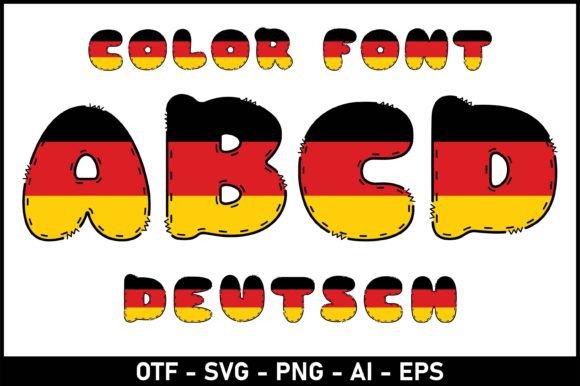
To appreciate Deutsch, you have to look beyond the basic letterforms and see the personality embedded in the curves and strokes. This is a typeface that leans heavily into a creative font aesthetic, often characterized by fluid lines and a sense of movement. It doesn't scream for attention with loud, jagged edges; rather, it invites the viewer in with a sophisticated playfulness. It functions exceptionally well as a display font, meaning it is designed to shine in larger sizes where its details can be fully appreciated. Think of it as the typographic equivalent of a confident greeting—it is warm, engaging, and memorable.
One of the defining traits of Deutsch is its ability to mimic the human touch. While it is a digital asset, it possesses qualities often found in handwritten fonts or high-end script fonts. This gives it an organic feel that synthetic, geometric typefaces simply cannot replicate. However, unlike some free script fonts that can look messy or unprofessional, Deutsch maintains a high level of legibility and polish. This makes it a versatile tool for projects that require a personal touch without sacrificing professionalism. It is particularly effective for entrepreneurs and small business owners who want to build a brand identity that feels approachable and authentic rather than corporate and cold.
Where Deutsch Shines: From Page to Screen
The true test of any typeface is its adaptability across different mediums. Deutsch is a powerhouse in editorial design and publishing, especially where the goal is to capture a sense of wonder. As noted in design trends for children's literature, fonts that are whimsical and colorful create an engaging experience. Deutsch fits this mold perfectly. Imagine a book cover for a fantasy novel or a layout for a lifestyle magazine; the font adds a layer of narrative depth that a standard sans serif font simply cannot provide. It tells the reader, "This story is going to be interesting."
Beyond publishing, the font excels in packaging design and branding. In a crowded market shelf, products need to communicate their value instantly. Deutsch works beautifully for artisanal goods, boutique cosmetics, or specialty food items. It suggests that the product inside is crafted with care. For instance, a coffee roaster might use Deutsch on their packaging to convey a rich, hand-roasted heritage, while a children’s toy brand might use it to signal fun and safety. It is also a strong contender for logo design. A logo utilizing Deutsch can feel timeless yet modern, helping a brand stand out from competitors who rely on overused, generic fonts.
Strategic Application: Readability and Hierarchy
While Deutsch is visually striking, applying it effectively requires a strategic approach to visual hierarchy. Because it is a display-oriented typeface, it is best suited for headlines, sub-headers, and call-to-action statements. Using it for long blocks of body copy can be a mistake; the intricate details that make it beautiful at 48pt can become visual noise at 10pt. This is where the concept of font pairing becomes essential. To maintain readability and professionalism, pair Deutsch with a clean, neutral companion. A simple sans serif font or a minimal serif font for the body text will allow the headlines set in Deutsch to pop without overwhelming the reader.
Consider the context of web design and social media graphics. In the digital realm, attention spans are short. A header set in Deutsch can stop the scroll on Instagram or grab attention on a landing page. However, you must ensure that the font renders well on various screen sizes. Test the kerning (the space between letters) and leading (line spacing) to ensure the text remains legible on mobile devices. The font's inherent style can influence brand perception significantly; when used correctly, it signals creativity and attention to detail. When used poorly—such as in a color that clashes with the background or a size that is too small—it can look unprofessional.
Practical Considerations for Professionals
Before integrating Deutsch into your next project, there are a few practical checkpoints to consider. First, always review the licensing. If you are working on a commercial project, ensure you have the appropriate commercial font license. Using a font without proper licensing can lead to legal headaches down the road, so treat your typography like any other business asset.
Next, explore the full family of the font. Many premium fonts come with various weights, alternates, and ligatures. Deutsch often includes stylistic alternates that can change the look of specific letters, allowing you to customize the text to fit the exact mood of your design. Experiment with these features. You might find that a specific "g" or "r" adds the perfect flourish to your logo.
Finally, consider your audience. Deutsch appeals to a broad demographic, but its playful nature might not be the right fit for a law firm or a heavy industrial manufacturer. It is best suited for industries that value creativity, lifestyle, and personal connection. For designers, marketers, and content creators, having Deutsch in your toolkit is like having a secret weapon for projects that need to feel human, artistic, and undeniably engaging. It bridges the gap between the digital precision of modern typography and the warmth of handcrafted art, making it an invaluable asset for anyone serious about visual communication.