Sunflower Font: A Whimsical Touch for Creative Projects
When you’re searching for a typeface that instantly injects personality and warmth into a design, a creative font like Sunflower often emerges as a standout choice. It’s not just about the letters themselves, but the feeling they evoke. This particular style of handwritten font strikes a unique balance—it’s artistic and expressive without sacrificing clarity. For designers, marketers, and creators, understanding how to leverage such a premium font can be the difference between a project that feels generic and one that truly connects.
The Visual Character of Sunflower
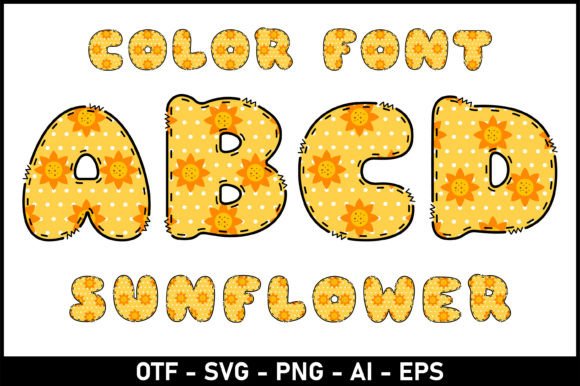
Sunflower is best described as a playful and artistic typeface. Its letterforms often feature soft, rounded edges and a gentle, organic flow that mimics the natural, slightly uneven quality of hand lettering. Unlike a rigid sans serif font or a formal serif font, Sunflower’s display font nature means it’s designed to catch the eye. It carries a sense of whimsy and approachability, making it feel friendly and inviting rather than cold or corporate. The overall appeal lies in its ability to feel both casual and carefully crafted, a combination that works wonders in specific contexts.
This style of modern typography is particularly effective in designs aiming to convey joy, creativity, or a personal touch. Think of the cheerful vibe of a sunny day or the charming imperfections of a handwritten note. Sunflower captures that essence digitally, making it a valuable design asset for a wide range of projects.
Where Sunflower Truly Shines: Practical Applications
Knowing a font’s personality is one thing; knowing where to apply it is where the real value lies. Sunflower’s strengths are most evident in projects targeting audiences that appreciate creativity, warmth, and a touch of playfulness.
Children’s Publishing and Education
This is Sunflower’s natural habitat. Its whimsical nature and high readability make it perfect for children’s books, educational posters, and activity sheets. The font feels engaging and fun for young readers, helping to foster a positive association with reading. For publishers and authors in this space, choosing a typeface like Sunflower can significantly enhance the visual storytelling experience.
Branding and Marketing for Creative Businesses
For small business owners in creative industries—think bakeries, boutique craft stores, floral designers, or children’s clothing brands—Sunflower can become a core part of their brand identity. It works beautifully in logo design (often paired with a cleaner companion font), on packaging design, and across social media graphics. It communicates approachability, craftsmanship, and a joyful ethos without saying a word.
Events and Personal Projects
The font excels in applications like invitations, greeting cards, and event signage for birthdays, baby showers, or casual weddings. Its friendly demeanor sets a relaxed and celebratory tone. For crafters and hobbyists creating personalized items, Sunflower offers a professional yet handmade feel that elevates DIY projects.
Digital and Editorial Design
While not for body text, Sunflower can add flair to editorial design and web design. Use it for pull quotes, section headings, or call-to-action buttons in lifestyle blogs, recipe sites, or creative portfolios. It provides a visual break and reinforces a site’s unique voice, making the digital experience more memorable.
Making It Work: Practical Guidance for Designers
Integrating a display font like Sunflower requires thoughtful execution to maintain professionalism and effectiveness. Here’s how to approach it.
Evaluating Project Fit
Before selecting Sunflower, ask: Does the project’s tone align with a playful, artistic style? It’s a poor fit for a law firm’s annual report but ideal for a local toy shop’s branding. Consider your target audience’s expectations. The goal is to enhance communication, not distract from it.
Mastering Font Pairing
Sunflower is a star, but it rarely works alone. A strong font pairing is essential for visual hierarchy. Pair it with a clean, neutral sans serif font (like Open Sans or Lato) or a simple serif font for body text and supporting information. This contrast ensures the playful font highlights key elements without overwhelming the viewer. The pairing should feel balanced, not chaotic.
Readability and Hierarchy
As a display font, Sunflower is meant for headlines, logos, and short phrases. Using it for long paragraphs will severely compromise readability. Use it sparingly to draw attention to the most important messages. Test it at various sizes to ensure its charming details don’t become muddy at small scales or overly dominant at large ones.
Checking Styles and Licensing
Always review what comes with the font file. Does it include multiple weights or styles (like a bold or italic)? This can expand its utility. Crucially, for any commercial project—whether it’s a client’s brand identity, packaging design, or a product you sell—you must ensure you have the correct commercial license. Using a premium font without proper licensing is a significant legal risk.
The Strategic Value of a Well-Chosen Typeface
A font like Sunflower does more than decorate. It influences brand perception, building instant recognition and emotional connection. Consistency in its use across touchpoints—from a website header to product labels—builds professionalism and trust. In a crowded market, a distinctive and well-applied creative font can be a powerful tool for audience engagement, making your message not just seen, but felt.
Ultimately, Sunflower is a tool for storytelling. When used with intention, it helps crafters tell their story, businesses build their brand, and designers create work that resonates. Its value lies not in its ubiquity, but in its ability to add a specific, joyful character that can elevate a project from merely functional to genuinely delightful.