Mosaic: The Playful Font for Creative Branding
When you’re crafting a design intended to spark joy or imagination, the choice of typeface is often the most critical decision you'll make. You need something that captures a specific energy without sacrificing function. This is where Mosaic enters the conversation. It isn’t just a collection of letters; it is a visual asset that brings a distinct personality to the table. If you are working on projects that require a whimsical, artistic, or friendly aesthetic, understanding the nuances of a creative font like Mosaic can transform your work from standard to standout.
The Visual Character and Appeal of Mosaic
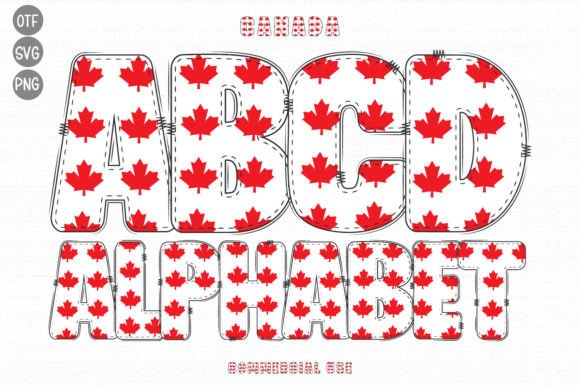
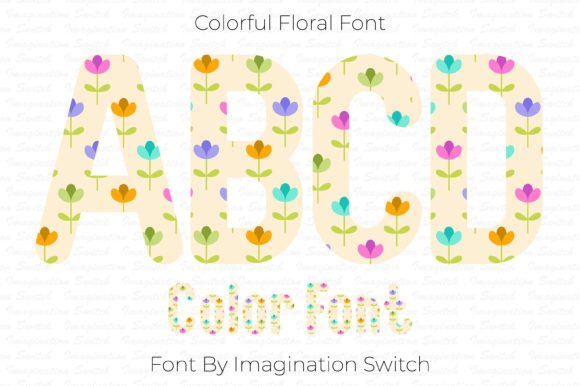
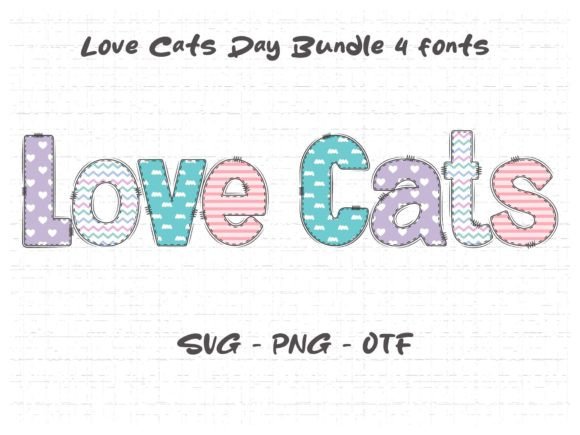
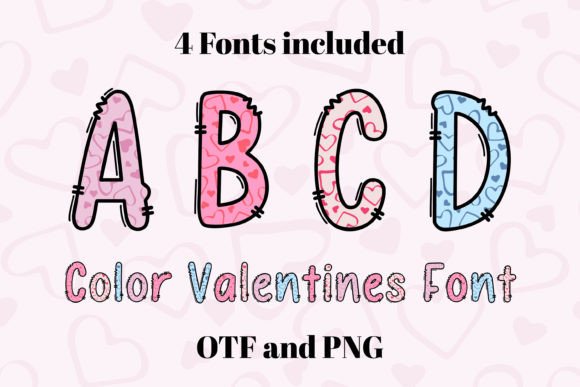
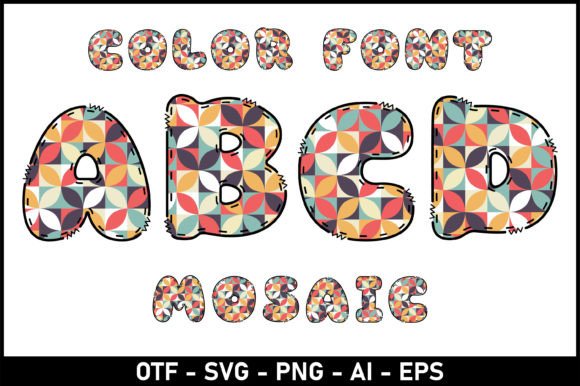
At its core, Mosaic is a display font designed to capture attention immediately. Unlike rigid sans serif fonts or traditional serif fonts, Mosaic often features softer edges, playful curves, and a rhythm that feels organic. It strikes a delicate balance—it is artistic enough to feel unique, yet structured enough to maintain legibility. This makes it an exceptional premium font choice for designers who want to inject personality into their work without confusing the viewer.
The appeal of Mosaic lies in its versatility within a specific niche. It doesn't try to be everything to everyone. Instead, it excels in environments that demand warmth and approachability. You will find that its visual weight and style lend themselves beautifully to modern typography trends that favor bold, expressive lettering over sterile minimalism. Whether used in uppercase for impact or mixed case for a more conversational tone, the typeface maintains a cohesive look that anchors a design.
Real-World Applications: Where Mosaic Shines
The true test of any typeface is how it performs in the wild. Mosaic is particularly effective in publishing and editorial design, especially within the realm of children’s books. Young readers engage with visuals before text, and the whimsical nature of Mosaic creates an inviting atmosphere. It turns the act of reading into an adventure, encouraging children to explore the pages. The letterforms are distinct enough to aid in letter recognition, a subtle but important benefit for educational materials.
Beyond children's literature, Mosaic is a powerhouse for packaging design and branding. Imagine a boutique bakery, a handmade craft shop, or an artisanal toy brand. These businesses rely on conveying authenticity and charm. A logo design utilizing Mosaic immediately signals to the customer that the brand is approachable and creative. It works exceptionally well for:
- Invitations and Greeting Cards: Setting a celebratory or heartfelt tone instantly.
- Poster Design: Creating a focal point that is readable from a distance.
- Social Media Graphics: Stopping the scroll with a friendly, human touch.
- Web Design Headers: Adding flair to hero sections without overwhelming the user interface.
For entrepreneurs and small business owners, using a creative font like Mosaic can differentiate a brand identity from corporate, impersonal competitors. It tells a story of creativity and care, which is a powerful marketing tool in a crowded digital landscape.
Strategic Typography: Influence on Brand Perception
Typography is psychology in visual form. The fonts you choose act as a silent ambassador for your brand. When you select Mosaic, you are making a strategic decision to be seen as friendly, imaginative, and engaging. This is crucial for content creators and marketers targeting audiences who value authenticity. A stiff, bureaucratic font would clash with a brand voice that is casual and warm; Mosaic aligns with it perfectly.
However, managing visual hierarchy is essential. Because Mosaic has a strong personality, it is best used for headlines, sub-headers, and logos. Attempting to use a display font for long blocks of body text can lead to fatigue and reduced readability. To maintain professionalism, you must pair it wisely. Consider using Mosaic for your primary attention-grabbing elements and a clean, neutral sans serif font for your body copy. This contrast not only ensures that your message is read easily but also highlights the unique qualities of Mosaic by giving it room to breathe.
Practical Guidance for Designers and Creators
Integrating a new font into your workflow requires a bit of due diligence. Before committing to Mosaic for a large-scale project, take the time to evaluate its fit. Here are a few practical steps to ensure success:
- Test Font Pairings: As mentioned, Mosaic needs a partner. Experiment with pairing it against a geometric sans serif or a clean serif font. The goal is to create contrast without conflict. If Mosaic is the "fun" element, your secondary font should be the "functional" element.
- Check the Glyph Set: Review what styles and weights are included in the package. Does it have the punctuation and special characters you need? A high-quality premium font usually comes with a robust character set that supports multiple languages and OpenType features.
- Evaluate Readability at Scale: View the font at the size you intend to use it. Does it hold up on a mobile screen? Is it legible on a printed poster? Test it in different contexts to ensure it performs well across all your design assets.
- Understand Licensing: For business owners and publishers, commercial licensing is non-negotiable. Ensure that your license covers your specific usage—whether that is for a single logo, a print run of 10,000 books, or a digital app interface.
Ultimately, Mosaic is more than just a script font or a display typeface; it is a tool for connection. It bridges the gap between a brand and its audience by using visual language that evokes emotion. Whether you are designing a poster for a community event or laying out a children's book, choosing a font that aligns with your project's soul is the key to creating work that resonates. By thoughtfully applying Mosaic, you can ensure your designs are not only beautiful but also deeply effective.