Japan: A Playful Typeface for Artistic and Engaging Designs
When a design calls for a touch of whimsy, a dash of artistic flair, or an approachable, friendly vibe, the right typeface becomes your most powerful tool. The font known as Japan is a prime example of a creative font built for exactly these moments. It’s not a rigid, corporate sans serif font or a formal serif font. Instead, Japan embraces a playful and often handwritten font aesthetic, making it a versatile asset for projects that aim to connect on a more personal, emotional level. Think of it as the typographic equivalent of a charming illustration—it adds character and warmth before a single word is fully read.
Visual Personality and Where It Truly Shines
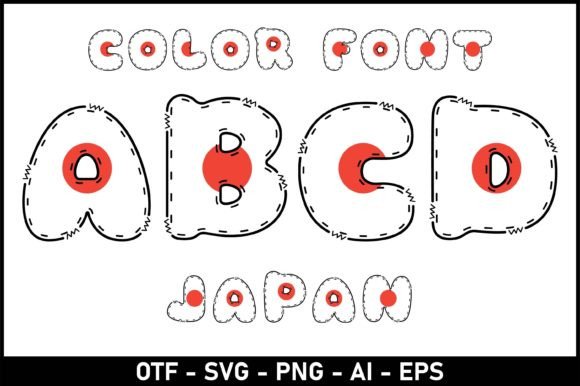
The visual DNA of the Japan typeface is rooted in its organic, slightly irregular letterforms. It often features soft curves, varied baseline shifts, and a rhythm that feels human-made rather than machine-perfect. This personality makes it an exceptional display font, perfect for grabbing attention in headlines, logos, and short, impactful text blocks. Its inherent charm translates beautifully across a wide spectrum of applications.
- Children’s Books and Educational Materials: This is a natural home for Japan. Its whimsical nature and high legibility for young readers make it ideal for titles, chapter headings, and even body text in picture books. It turns reading into an engaging, playful experience.
- Branding and Logo Design: For brands targeting a creative, artisanal, or family-oriented audience, Japan can become the cornerstone of a brand identity. It works wonderfully for boutique bakeries, craft studios, children’s clothing lines, or indie publishing houses. Paired with a clean sans serif font for body copy, it creates a balanced and memorable identity.
- Packaging and Editorial Design: On product labels for gourmet jams, handmade soaps, or specialty teas, the Japan font adds an artisanal touch. In magazines or blogs focused on DIY, crafts, or lifestyle, it injects personality into pull quotes and feature titles.
- Event Stationery and Social Media Graphics: Invitations for children’s parties, baby showers, or creative workshops benefit from its friendly vibe. On Instagram or Pinterest, it helps create standout graphics for quotes, announcements, and promotional posts that feel approachable and fun.
Strategic Impact on Your Project’s Success
Choosing a font like Japan isn’t just an aesthetic decision; it’s a strategic one that influences how your audience perceives and interacts with your work. As a premium font, it comes with the quality and versatility needed for professional results. Its impact ripples through several key areas of design and communication.
Readability and Visual Hierarchy: In the context of a playful font, readability is paramount. Japan is designed to be clear and easy to decipher, even with its artistic strokes. This makes it excellent for establishing a strong visual hierarchy. Use it for your main headline to draw the eye, then support it with a simpler modern typography choice for paragraphs. This contrast guides the reader effortlessly through your content.
Brand Perception and Recognition: Consistency is key to brand recognition. By using Japan consistently across your design assets—from your website header to your social media templates and printed materials—you build a cohesive visual language. This font signals creativity, approachability, and attention to detail, helping your brand stand out in a crowded marketplace.
Audience Engagement: A font with personality can significantly boost engagement. The friendly, handcrafted feel of Japan can lower barriers, making your content feel more personal and inviting. It’s particularly effective for content creators, bloggers, and small business owners looking to build a community around their brand.
Practical Guide to Selecting and Using the Japan Font
Integrating the Japan typeface into your workflow requires thoughtful consideration. Here’s a practical checklist to ensure it’s the right fit and is used effectively.
- Evaluate Project Fit: First, assess the tone of your project. Is it formal, corporate, and serious? If so, Japan might not be the best choice. But if the goal is to be creative, friendly, whimsical, or artisanal, it’s a strong contender. Ask yourself: does this font match the personality of my brand or story?
- Test Font Pairings: No font exists in a vacuum. The strength of Japan as a display font is maximized when paired with a complementary workhorse font. Try pairing it with a clean sans serif font like Lato or Open Sans for body text. For a more editorial feel, a simple serif font like Merriweather could work. The goal is contrast, not conflict.
- Review Included Styles: A quality premium font often includes multiple weights, stylistic alternates, or even a script font companion. Check what’s included. Having a bold weight can be useful for emphasis, while alternates can add variety and prevent repetitive letterforms in larger headlines.
- Conduct a Readability Test: Always test the font in context. View it at the intended size on both screen and print. Does it remain legible at smaller sizes, such as for captions or fine print? If it’s for web design, check its rendering across different browsers and devices.
- Understand Commercial Licensing: This is a critical, often overlooked step. Ensure the font’s license covers all your intended uses—whether for a client’s logo, product packaging, or a downloadable PDF. Using a commercial font properly protects you legally and supports the type designers who create these valuable design assets.
Ultimately, the Japan font is more than just a collection of letters. It’s a tool for storytelling. By understanding its visual personality and applying it strategically, you can elevate your designs from merely informative to truly engaging, creating work that resonates with your audience and leaves a lasting impression.