Asteria: The Playful Color Font for Kids' Projects
When you need to capture a child's imagination through design, the typeface you choose makes all the difference. Some fonts feel too stiff, too corporate, or simply too grown-up for projects aimed at younger audiences. That's where Asteria steps in—a fun, friendly color font that radiates playfulness and authenticity in every letterform.
Asteria isn't just another typeface sitting in your font library. It's a purpose-built creative tool designed specifically for children's activities, school projects, and any design work that needs to feel warm, approachable, and genuinely engaging. If you've ever struggled to find typography that speaks to kids without looking cheap or generic, this might be exactly what your next project needs.
What Makes Asteria Visually Distinctive
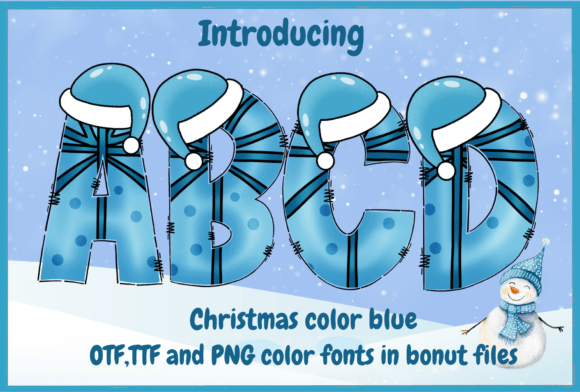
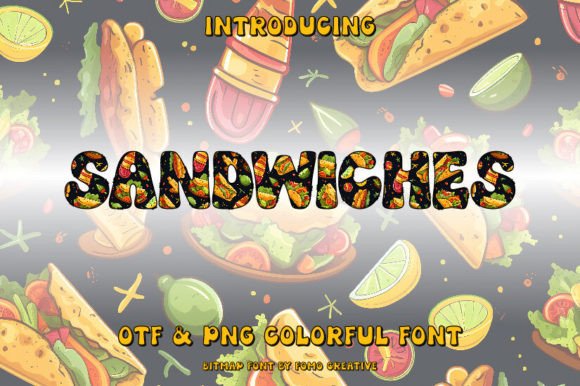
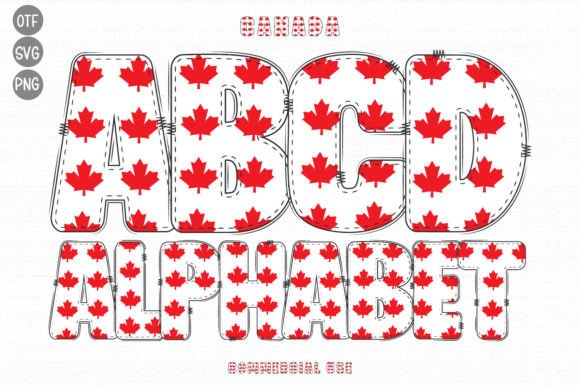
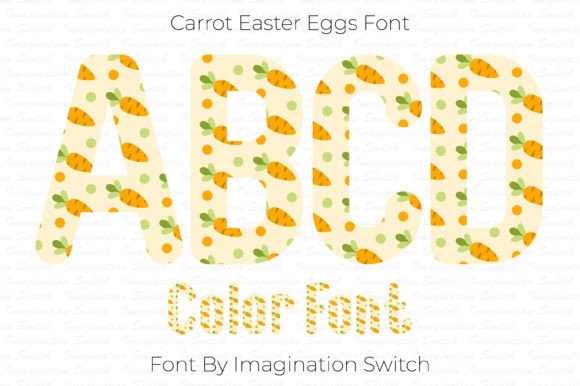
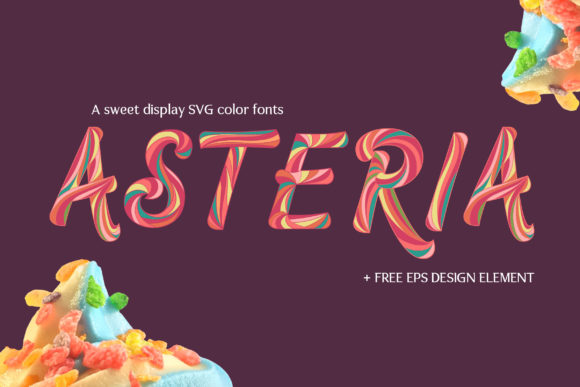
Asteria is a color font, which immediately sets it apart from most typefaces you'll encounter. Built using OpenType-SVG technology, each letter carries its own color information directly within the font file. Instead of applying a single flat color after the fact, Asteria arrives with vibrant, pre-designed color palettes already embedded in every glyph.
The visual style leans into a handwritten font aesthetic without sacrificing legibility. Each character has a slightly rounded, organic quality—think of how a confident, creative adult might letter words on a classroom whiteboard. The letterforms feel approachable rather than precious. There's a looseness to the design that communicates fun, but enough structure that words remain readable at various sizes.
This balance matters more than you might expect. Many script font or handwritten options sacrifice clarity for personality. Asteria manages to deliver both. The characters have enough weight and spacing that they hold up in headlines, titles, and short-form text blocks where children (and their parents) need to read content quickly.
Where Asteria Truly Shines
Think about the projects where you need typography to feel inviting rather than authoritative. Birthday party invitations. Classroom worksheets. Kids' menu designs. Activity book covers. Educational app interfaces. Storybook titles. Summer camp flyers. Children's product packaging.
Asteria fits naturally into all of these contexts because it doesn't try to be something it's not. It's not a serif font pretending to be playful. It's not a sans serif font with rounded corners added as an afterthought. It was built from the ground up to embody the energy and authenticity that children's design work demands.
For brand identity work targeting families—think pediatric offices, kids' clothing lines, children's entertainment brands, or educational startups—Asteria offers a creative font option that communicates warmth and trustworthiness simultaneously. Parents respond to design that feels genuine rather than condescending, and Asteria hits that mark.
The font also works well for social media graphics aimed at parent audiences. Instagram posts promoting kids' events, Pinterest pins for family-friendly recipes, Facebook ads for children's products—these all benefit from typography that feels approachable without looking amateur.
Practical Considerations for Your Workflow
Before you commit to Asteria for a project, a few technical details deserve attention. First, this is an OpenType-SVG color font, which means software compatibility matters. Asteria works beautifully in PhotoShop, Illustrator, Silhouette, and Inkscape. These applications properly render the embedded color information, giving you the full visual experience the designer intended.
However—and this is important—Asteria's OTF and TTF files are not compatible with Cricut. If you're a crafter who relies on Cricut machines for cutting projects, this limitation affects your workflow. The color font technology that makes Asteria special simply doesn't translate to Cricut's software environment. Check the Ultimate Font Guide for detailed information on working with color fonts across different platforms.
Testing Font Pairings
Asteria works best as a display font for headlines, titles, and short text passages. For body copy or longer content blocks, pair it with a clean, readable sans serif font that won't compete for attention. Think of Asteria as the personality piece in your typography system, with a more neutral companion handling the heavy lifting of paragraph text.
When evaluating whether Asteria fits a specific project, test it at the actual size and context where it will appear. A font that looks charming on your 27-inch monitor might lose its appeal when printed at small sizes on a worksheet. Color fonts carry visual weight, so consider how Asteria interacts with surrounding design elements, photography, and illustrations.
Commercial Use and Licensing
For entrepreneurs and small business owners, understanding licensing terms prevents headaches down the road. Review the specific commercial license included with your Asteria purchase, especially if you're creating products for sale—whether that's printed merchandise, digital downloads, or client work. Most premium font licenses cover standard commercial use, but details vary between foundries.
Making the Most of This Design Asset
The best design assets earn their place in your toolkit through repeated, reliable use. Asteria isn't a typeface you'll reach for every day—nor should it be. Its strength lies in specificity. When a project calls for genuine warmth, childlike energy, and colorful personality, nothing else quite delivers the same result.
Consider building a small reference sheet showing Asteria alongside your go-to pairing fonts, brand colors, and sample layouts. This quick reference saves time when similar projects come around and helps maintain consistency across related materials.
Good modern typography isn't about using the trendiest typeface available. It's about matching the right font to the right audience and the right message. For projects where children are the primary audience—or where you need to evoke the spirit of childhood—Asteria offers something that generic alternatives simply can't match: genuine, colorful personality that doesn't feel manufactured.